
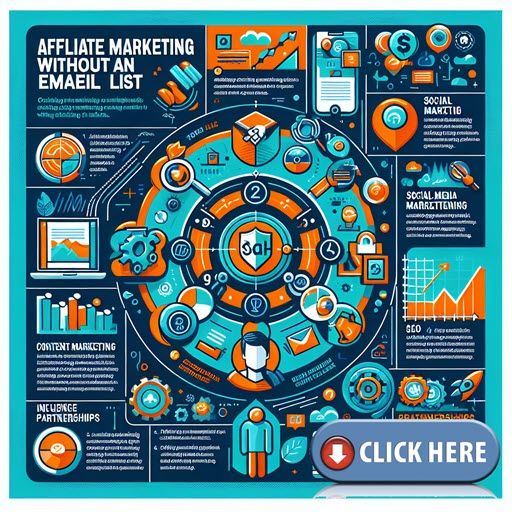
The world of affiliate marketing is filled with time-tested adages, and none is more prevalent than “the money is in the list.
” For years, aspiring content creators and marketers have been told that building a robust email list is the non-negotiable cornerstone of a successful affiliate business.
It’s the sacred asset you own, a direct line to your audience, and the ultimate engine for generating consistent, passive income.
But what if you’re just starting out? What if the technical hurdles, monthly costs, and sheer effort of building and nurturing an email list feel more like a roadblock than a runway?
This leads to a critical question that many are hesitant to ask aloud: Can you really pull off successful affiliate marketing without an email list? Is it a fool’s errand, or is there a viable path to earning commissions by sidestepping the email marketing campaign entirely? The answer, unequivocally, is yes.
While an email list is an incredibly powerful tool, it is not the only tool.
By focusing on specific strategies that drive high-intent traffic directly to affiliate offers, you can build a profitable venture without ever sending a single broadcast email.
This article will dive deep into exactly how to do it, exploring the most effective channels and tactics for list-free affiliate success.
Table of Contents Affiliate Marketing without an Email List
Challenging the Email List Imperative in Affiliate Marketing
Questioning the Email List Necessity in Affiliate Marketing
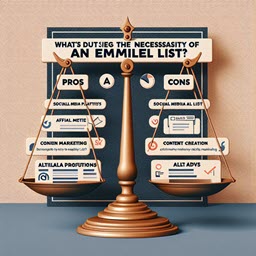
The digital marketing landscape is constantly evolving.
While email remains a high-ROI channel, the rise of powerful search engines, video platforms, and niche social communities has created new, direct pathways between content creators and consumers.
Today, an audience can be built and monetized on a single platform, like a YouTube channel or a high-traffic blog, where the value exchange happens in real-time.
This reality challenges the traditional, multi-step funnel that places email capture at its center, opening up possibilities for a more direct, content-first approach.
Why Many Insist You Need an Email List
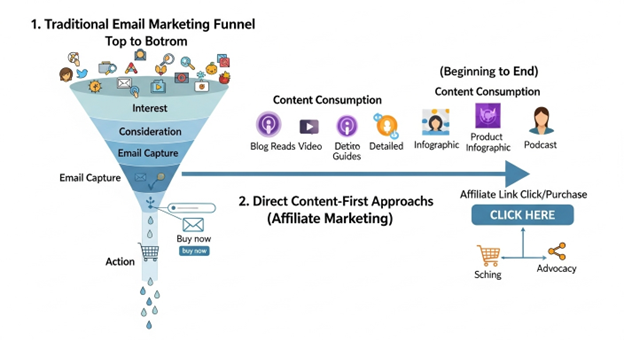
Two approaches to affiliate marketing: the traditional multi-step funnel with email capture versus the direct content-first approach.
The insistence on building an email list stems from valid, powerful principles.
An email list is an owned asset; unlike a social media following, it can’t be taken away by an algorithm change.
It allows for direct, repeated communication with your audience, enabling you to build deeper relationships and promote multiple affiliates offers over time.
You can segment your audience, personalize messages, and nurture leads from casual interest to a purchase decision.
This control and opportunity for repeat sales are why seasoned marketers rightfully champion its importance.
Your Big Question Is Success Achievable Without One?

Yes, absolutely.
Success without an email list hinges on shifting your focus from capturing an audience to intercepting them.
Instead of collecting contacts for later, your goal is to connect with users at the precise moment they are seeking information or are ready to buy.
This is achieved by creating high-value content that ranks in search engines or gains visibility on platforms where users are actively researching products and solutions.
This Article Covers Effective Ways to Achieve Direct Affiliate Sales

Understanding the Basics of Affiliate Marketing (List or No List)
Before diving into specific strategies, it’s crucial to remember the fundamentals.
Affiliate marketing is a performance-based model where you, the affiliate, earn a commission for promoting another company’s product or service.
You are given unique affiliate links (or referral links) to track the traffic and sales you generate.
The core of this entire enterprise, whether you have an email list or not, is trust.
What Exactly is Affiliate Marketing? (A Quick Recap)
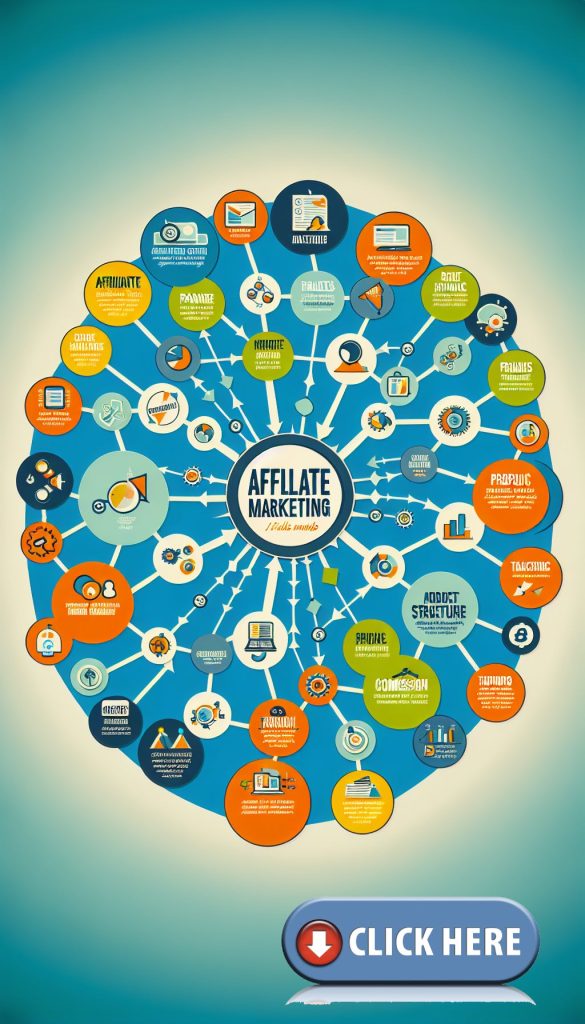
At its simplest, you find a product you like, promote it to others, and earn a piece of the profit for each sale that you make.
This could be anything from physical goods on Amazon to digital products like software or online courses.
You sign up for affiliate programs, get approved, and start sharing your links.
With the affiliate marketing industry in the U.S. projected to be worth $8.2 billion by 2024, the opportunity for content creators is immense.
You must foster Value, Trust, and Helping People Out
Your primary role as an affiliate is not to sell but to help.
Your audience has a problem or a need, and your content should provide the solution.
By offering genuine advice, comprehensive product reviews, and helpful tutorials, you build authority and trust.
A click on your affiliate link is the byproduct of that trust.
When you authentically guide someone to the right product, you’ve provided a valuable service, and the commission is your reward.
Types of Affiliate Programs and How They Pay (Pay-per-Sale, Lead, Click)
Why the “No Email List” Idea Appeals to Many
For many, the appeal is about simplification and focus.
Building an email list involves choosing an email service provider, creating lead magnets, designing opt-in forms, writing nurture sequences, and worrying about open rates and deliverability.
Bypassing this allows you to pour 100% of your energy into what you might do best: creating exceptional content.
Having an email list is a powerful asset for online marketing and can create a direct line of communication with your audience.
However, not having an email list can streamline your efforts and allow you to prioritize content creation without the added complexity.
Focusing solely on creating exceptional content can help you build your authority and trust with your audience more directly.
By emphasizing content quality and building trust through your expertise, you can still effectively drive affiliate sales without relying on an email list.
This approach may resonate with those seeking a more straightforward and content-focused affiliate marketing strategy.
Common Hurdles for Newbies is Time, Tech, and the Cost of Email Marketing

Newcomers to affiliate marketing often face a steep learning curve.
Email marketing platforms have monthly fees that can be daunting when you have zero income.
There’re also the technical setup and the significant time investment required to write compelling email copy.
These barriers can stall momentum before it ever begins.
Mastering the technical aspects of email marketing tools can be particularly challenging for beginners in the field.
Learning to craft engaging and persuasive email content is essential to success in affiliate marketing.
Moreover, newcomers often find it difficult to allocate sufficient time to manage their email campaigns effectively.
Overcoming these obstacles will require a dedicated effort to enhance skills and streamline processes in order to succeed in this competitive industry.
The Appeal of Direct Sales Bypassing the Nurture Process

The direct sales approach is appealingly straightforward.
You create a piece of content, a user consumes it, and they make a purchase decision then and there.
This model capitalizes on immediate user intent.
Someone searching for “best web hosting for bloggers” is likely looking to make a decision soon.
Your job is to be the most helpful resource they find in that moment of need, not to get their email for a future pitch.
The process is simplified, reducing the need for ongoing communication and relationship-building efforts.
This instant gratification can lead to quicker conversions and sales. By focusing on direct sales, you bypass the longer nurturing process typically associated with email marketing.
However, it’s important to strike a balance between immediate sales and long-term customer relationships.
Understanding your audience’s preferences and behaviors is crucial for optimizing your direct sales strategy.
Focusing on Creating Great Content Instead of List Building Hassles
Strategies to High-Impact Channels for Direct Affiliate Sales

Without an email list, your content must do all the heavy lifting.
This means choosing a platform where you can attract an audience with high commercial intent and building your strategy around it.
The three most powerful channels for this are SEO-driven niche websites, YouTube, and targeted social media platforms.
Creating valuable content for your target audience is key for attracting customers without relying solely on an email list.
Platforms like SEO-driven niche websites, YouTube, and specific social media channels can help you reach customers with a high intent to purchase.
By understanding your audience’s preferences and behavior patterns, you can tailor your content to drive direct sales effectively. Balancing immediate sales with building long-term relationships is essential for a successful direct sales strategy.
Ultimately, the content you create plays a crucial role in engaging potential customers and driving sales without the need for an extensive email list.
Making the Most of Search Engine Optimization (SEO) & Niche Websites

SEO is arguably the most powerful method for list-free affiliate marketing.
The goal is to create content that ranks on the first page of Google for keywords your target audience is searching for.
These are often people deep in the research phase and close to making a purchase.
A recent survey confirms this, showing that 78.3% of affiliate marketers use SEO as a key traffic source.
By creating in-depth product reviews, comparison posts (“Product A vs.
Product B”), and “best of” lists, you attract high-intent visitors directly to your affiliate links.
Tools like Google Search Console and Google Analytics are essential for tracking your performance and understanding what content resonates with searchers.
Shining on YouTube to Leverage Video Marketing for Direct Sales

YouTube channels are a phenomenal asset for direct affiliate sales.
Video allows you to demonstrate products, build a personal connection, and showcase your expertise in a way text cannot.
You can create detailed YouTube videos, such as unboxing, tutorials, or long-term reviews, and place your affiliate links directly in the video description and pinned comments.
Many successful affiliates in the tech, beauty, and hobbyist niches generate substantial passive income this way, simply by answering questions and demonstrating products their audience is curious about.
This is especially true when promoting products available through programs like Amazon Associates.
Leveraging Popular Social Media Platforms for Direct Promotion

Finding the Right Affiliate Programs and Deals for Direct Sales
While SEO and YouTube are pillars, social media platforms offer unique opportunities for direct promotion, especially within engaged communities.
Niche Facebook groups, for instance, can be goldmines if you participate authentically.
By becoming a helpful, trusted member who answers questions and provides value, you can naturally recommend products and share your referral links when relevant (always abiding by group rules).
This strategy relies on building social proof and authority within a targeted community.
Similarly, a high degree of consumer trust in influencers—with 61% of consumers trusting their endorsements—makes platforms like Instagram and TikTok viable for creators with an established following.
Products That Sell Well, Decent Commissions, Recurring Commissions

When you’re relying on direct conversions, the nature of the affiliate offers you choose is critical.
Look for products with a strong reputation and positive reviews.
Pay close attention to the commission structure.
While a one-time payment is good, the holy grail is securing recurring commissions.
This is common with subscription-based services like software or web hosting (e.g., promoting LeadCreator AI).
You make the sale once, and you get paid every month or year the customer remains subscribed, creating a truly passive income stream.
Check Out Major Affiliate Networks
e.g. Amazon Associates (Amazon affiliate program), CJ Affiliate, ShareASale
To find these products, you’ll need to join an affiliate network or a direct affiliate program.
An affiliate network like CJ Affiliate or ShareASale acts as a marketplace, connecting you with thousands of brands.
The Amazon affiliate program, Amazon Associates, is the most popular starting point due to its vast product selection and universal brand recognition.
Once you’re approved, your affiliate dashboard becomes your mission control for grabbing links and tracking clicks and earnings.
Working Directly with Brands: High-Value or Specific Niche Opportunities
Don’t overlook the possibility of signing up for referral programs directly with brands.
Companies often run their own in-house affiliate programs, which can offer higher commission rates or better support than what you might find on a large network.
This is particularly common for digital products and specialized software.
Focusing on Products People Want and That Get Good Reviews
Optimizing for Sales: Strategies Without Email Nurturing
Without an email marketing campaign to warm up leads, your content must be exceptionally persuasive and trustworthy.
Every blog post, video, or social media update is your one shot to convert a visitor.
Research confirms that providing evidence is key, as 75% of people surveyed found data-backed content more trustworthy.
Creating Strong Calls-to-Action (CTAs) in All Your Content
You must explicitly tell your audience what to do next.
A strong CTA is clear, concise, and compelling.
Instead of a passive “you can buy it here,” try something more direct and benefit-driven, like “Click here to see the latest price on Amazon” or “Get started with your 14-day free trial today.”
The Importance of Trust & Being Open and Genuine in Your Recommendations
Transparency is non-negotiable.
Always disclose that your links are affiliate links.
Only recommend products you genuinely believe in and have researched thoroughly.
Your long-term reputation is far more valuable than a few quick commissions on a subpar product.
Present balanced views, including potential drawbacks, to show you’re providing an honest assessment, not just a sales pitch.
Building Your Reputation & Showing You Know Your Stuff and Provide Value
Your authority is your greatest asset.
Whether through detailed case studies, data-driven comparisons, or comprehensive tutorials, prove to your audience that you are an expert in your niche.
When people see you as a reliable source of information, they are far more likely to trust your recommendations and use your links.
Using Simple Landing Pages for Specific Affiliate Offers (When needed)
In some cases, especially when running paid ads or promoting a single high-value offer, a simple landing page can be effective.
This is a single, focused webpage designed to persuade a visitor to click your affiliate link.
It can bridge the gap between your content and the merchant’s sales page, warming up the visitor and increasing the chance of conversion without needing to capture an email.
Answering Customer Questions Upfront (Like Customer Service)
Think of your content as pre-emptive customer service.
Anticipate the questions, concerns, and objections your audience might have about a product and address them directly in your review or video.
By covering topics like pricing, features, support, and alternatives, you provide a comprehensive resource that helps users make an informed decision, solidifying their trust in you.
The narrative that an email list is the only path to affiliate marketing success is outdated.
While it remains a formidable strategy, it is by no means a prerequisite for earning a significant income.
By focusing your efforts on powerful, high-intent channels like SEO-optimized websites and YouTube, you can connect directly with audiences who are actively looking for solutions and ready to make a purchase.
Your success hinges on three core pillars: creating exceptionally valuable content, building unwavering trust with your audience, and strategically choosing affiliate offers that align with their needs.
Whether it’s a meticulously researched blog post, an in-depth product review video, or authentic engagement within a niche social community, your primary goal is to help people solve their problems.
For your next steps, choose one primary channel to master.
If you’re a strong writer, start a niche blog and learn the fundamentals of SEO.
If you’re comfortable on camera, commit to building a YouTube channel.
Pour your energy into becoming the most trusted resource in that space. By doing so, you can absolutely pull off—and thrive in—affiliate marketing, proving that the real money isn’t just in the list, but in the value you provide
[affiliate_video_pro id=”vi168c955d266df8″]
