
The modern business landscape has fundamentally shifted.
Gone are the days when a simple “move fast and break things” mantra guaranteed success.
Today, building a Small Business is not about chaotic experimentation; it is about architectural precision.
Whether you are launching a software company, designing a modular solution for tiny houses, or pivoting a side project into a full-time venture, founders must view their journey not as a temporary task, but as a sophisticated “Operating System.
” By treating your startup as a structured entity—balancing mindset, mechanism, and market signals—you transform from a frantic operator into a strategic architect.
This roadmap provides a definitive guide for building a sustainable, scalable enterprise from scratch.
Why the “Move Fast and Break Things” Mentality Often Leads to Failure
For over a decade, the startup ecosystem worshiped at the altar of raw speed.
However, “moving fast” often led to “breaking the foundation.
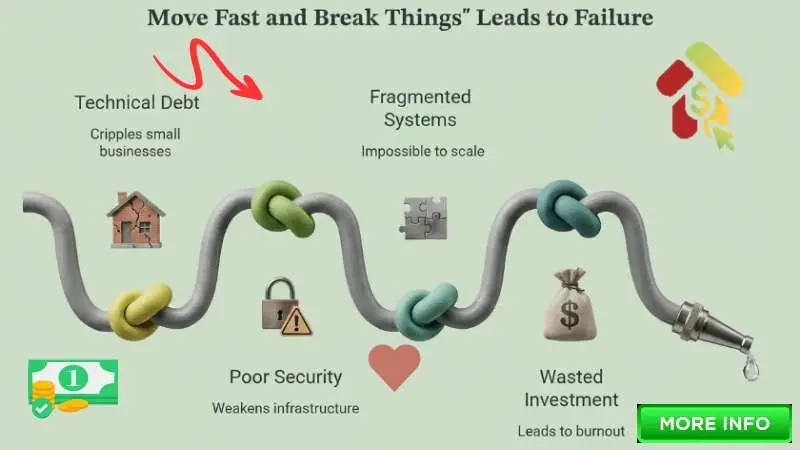
” In a complex global market, technical debt and poor security infrastructure can cripple Small Businesses before they find their footing.
Modern founders must adopt a “Move Fast and Fix Early” mentality.
This approach recognizes that while agility is vital, it must be balanced against long-term resilience.
Building too fast without a clear operational roadmap creates fragmented systems that are impossible to scale, ultimately leading to wasted investment and founder burnout.
The Meta-Framework: Balancing Mindset, Mechanism, and Market Signals
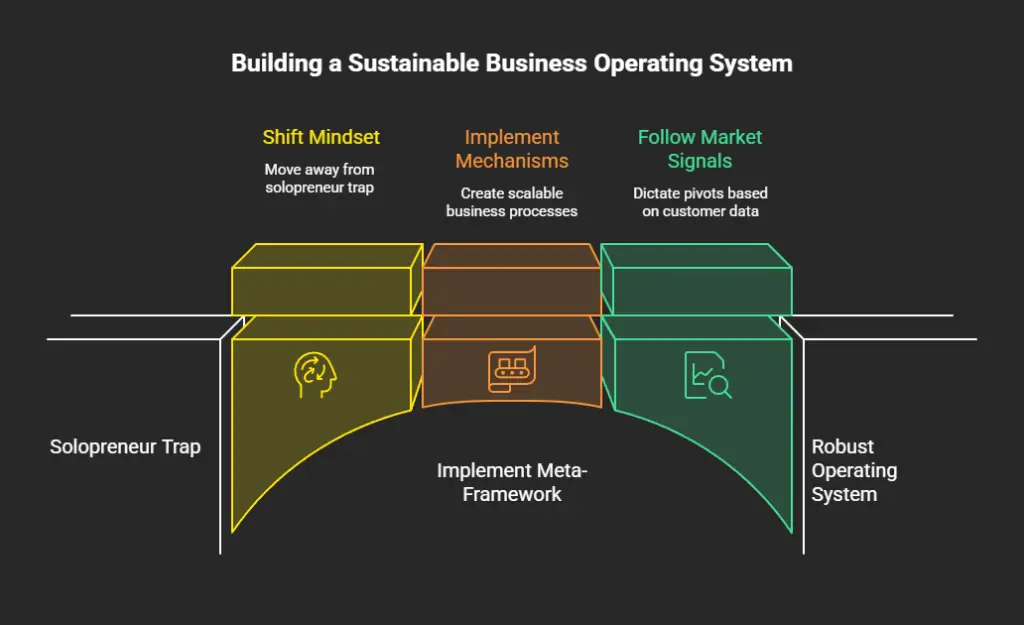
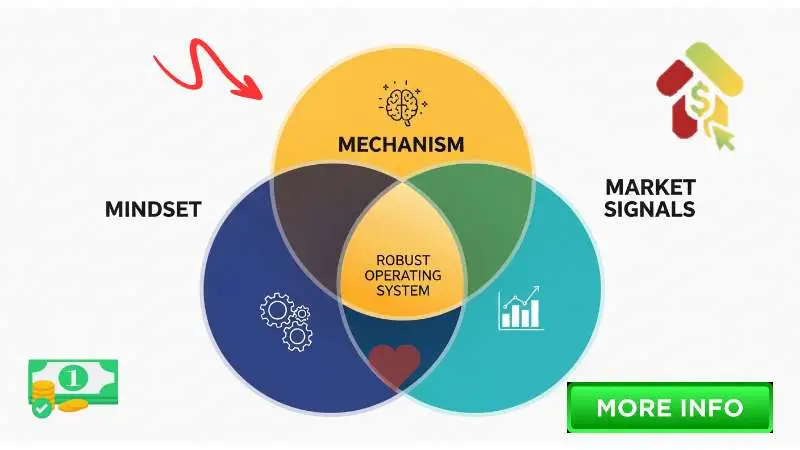
A robust business operating system exists at the intersection of the right mindset, scalable mechanisms, and clear market signals.
A successful founder operates by shifting away from the “solopreneur trap”—the belief that you must be the one performing every task.
The “Mechanism” involves the business processes and workflows that allow the firm to function independently of your direct intervention.
Finally, market signals—the raw data from your customer base—must dictate every pivot.
By aligning these three, you create a robust operating system capable of weathering volatility while delivering consistent value.
Identifying the Business Value Stream: Solving High-Value Problems
Before you build, you must identify a problem worth solving.
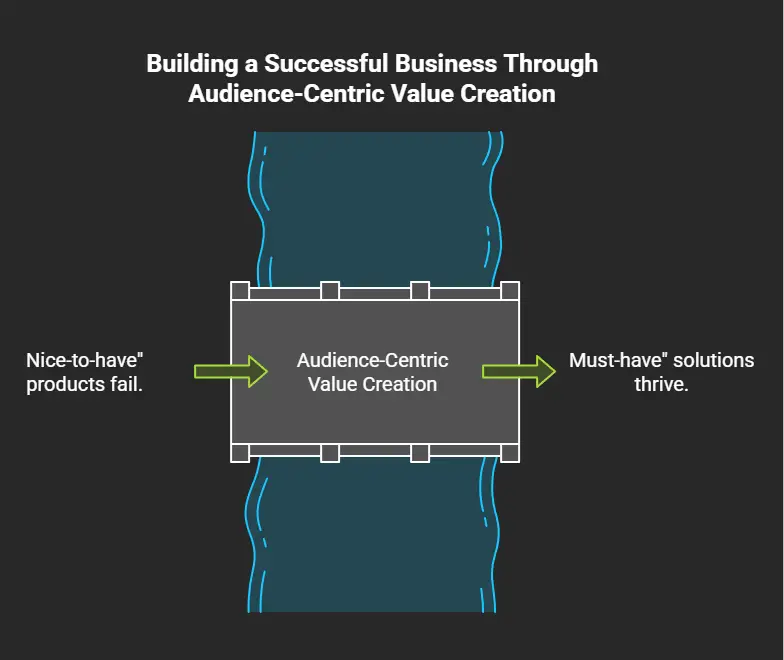
Many ventures fail because they offer a “nice-to-have” product rather than a “must-have” solution.
Focus on identifying a high-value problem that impacts a specific audience’s revenue or efficiency.
Whether you are building a productized service or a traditional store, your initial success depends on providing a measurable outcome that justifies the cost of your offering.
Modern Market Research: Moving Beyond Demographics to Psychographics
Traditional demographics—age, location, gender—are insufficient in today’s hyper-personalized economy.
Instead, invest your efforts in market research that prioritizes psychographics.
Understand the emotional and professional drivers behind your customers’ decisions.
What keeps them awake at night? When you tap into the psychographics of your audience, your marketing ceases to be an expense and becomes an extension of the product experience.
The “Audience First” Strategy: Building a Community Before a Product
The most successful modern businesses don’t build in a vacuum; they cultivate an audience first.
By engaging potential customers through content, newsletters, or forums, you generate real-time feedback before you spend a dime on product development.
This strategy ensures that when you finally launch, you have a receptive group ready to provide data, support, and initial revenue.
Evaluating Market Maturity and Competitive Intelligence
Avoid “red ocean” markets where competition is fierce and margins are thin, unless you have a unique technological advantage.
Use data to evaluate market maturity.
Is the sector crowded, or is there a gap in the value stream? Competitive intelligence allows you to see where incumbents are failing to provide adequate service, giving you a clear point of entry.
Choosing the Right Business Structure: LLC, S-Corp, or Sole Proprietorship
Your choice of business structure is the first architectural decision you will make.
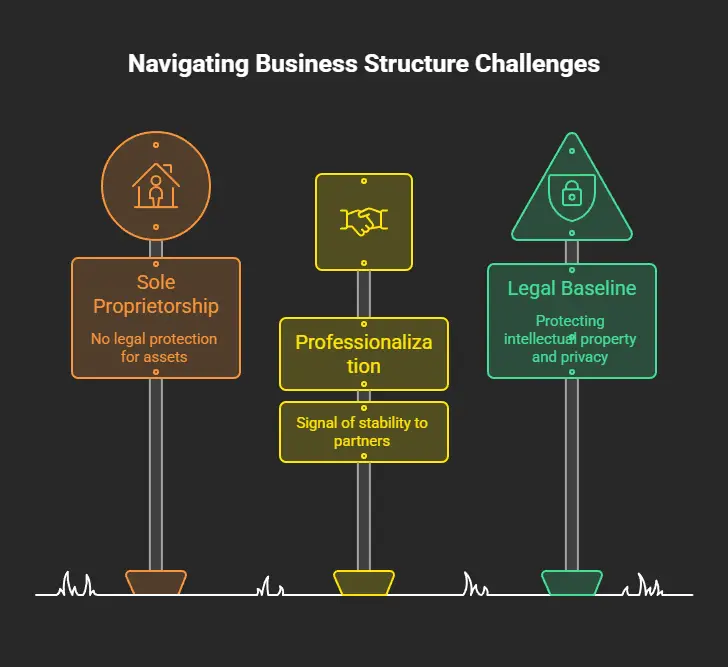
While a sole proprietorship is easy to start, it offers no legal protection for your personal assets.
An LLC or S-Corp creates a necessary barrier, protecting you as you grow.
Choosing the right structure early prevents significant administrative headaches as you seek outside funding or scale operations.
The Professionalization Checklist: Tax IDs, Licenses, and Business Bank Accounts
Professionalism is a signal of stability to partners, banks, and customers.
Select a unique business name, obtain your Employer Identification Number (EIN), secure necessary licenses and permits, and establish a dedicated business bank account immediately.
Commingling personal and business finances is the quickest way to lose credibility and invite regulatory scrutiny.
Proper registering your business with state and local authorities, including obtaining the necessary federal and state tax IDs, ensures you meet all legal requirements from day one.
Establishing a Legal Baseline: Protecting Intellectual Property and Privacy
In an era where data security is a top priority, establishing a legal baseline is mandatory.
Protect your intellectual property through trademarks or patents where appropriate, and implement robust data privacy protocols.
Even small entities must prioritize compliance to maintain customer trust and avoid liability.
The Day 1 Resilience Roadmap: Integrating a Business Continuity Plan Early
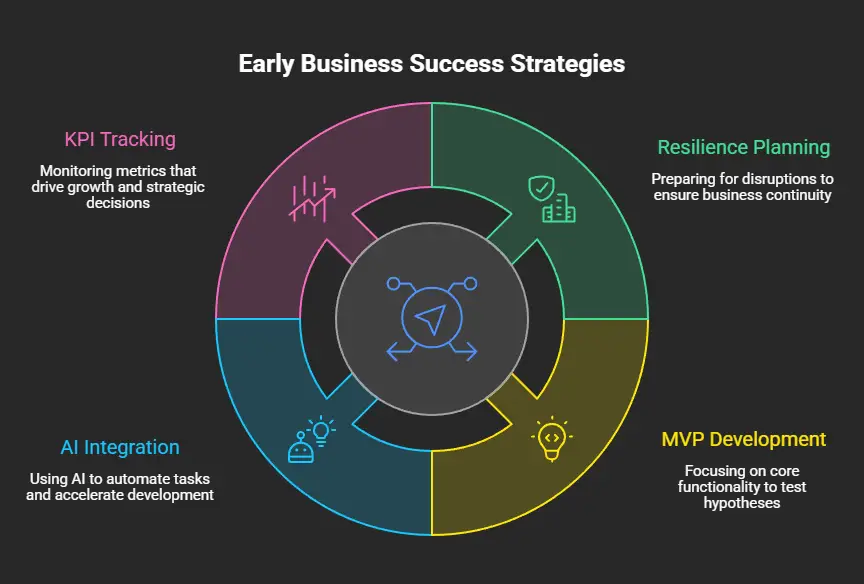
Resilience isn’t an afterthought; it’s a design requirement.
Implement a “Blue Skies” planning strategy—preparing for disasters like data loss or supply chain disruptions while everything is calm.
This includes redundant data storage and clear documentation of operational processes, ensuring that if a disruption occurs, your business can weather the storm.
The Lean Startup Method: Building Your Minimum Viable Product (MVP)
Your MVP should focus on the absolute core functionality required to solve the primary customer problem.
Avoid feature bloat.
Every additional feature you add before validation increases complexity and reduces your ability to pivot.
The goal of the MVP is to test your hypothesis in the real world with the smallest viable investment.
Leveraging Generative AI and Modern Tools to Accelerate Development
Modern founders have access to force multipliers that were unheard of a decade ago.
Use generative AI to automate routine tasks, draft documentation, or generate code snippets for your MVP.
By leveraging these tools, you reduce the time from ideation to launch, allowing you to get your product into the hands of users faster.
Defining Core Metrics: Tracking KPIs that Actually Drive Growth
Do not get distracted by “vanity metrics” like social media likes.
Instead, track “Outcome Metrics.
” These are data points that directly reflect the health of your value stream—such as customer acquisition cost (CAC), lifetime value (LTV), and monthly recurring revenue (MRR).
If a metric doesn’t help you make a strategic decision, do not track it.
The Pivot Point: Transitioning from Service-Based Models to Productized Services
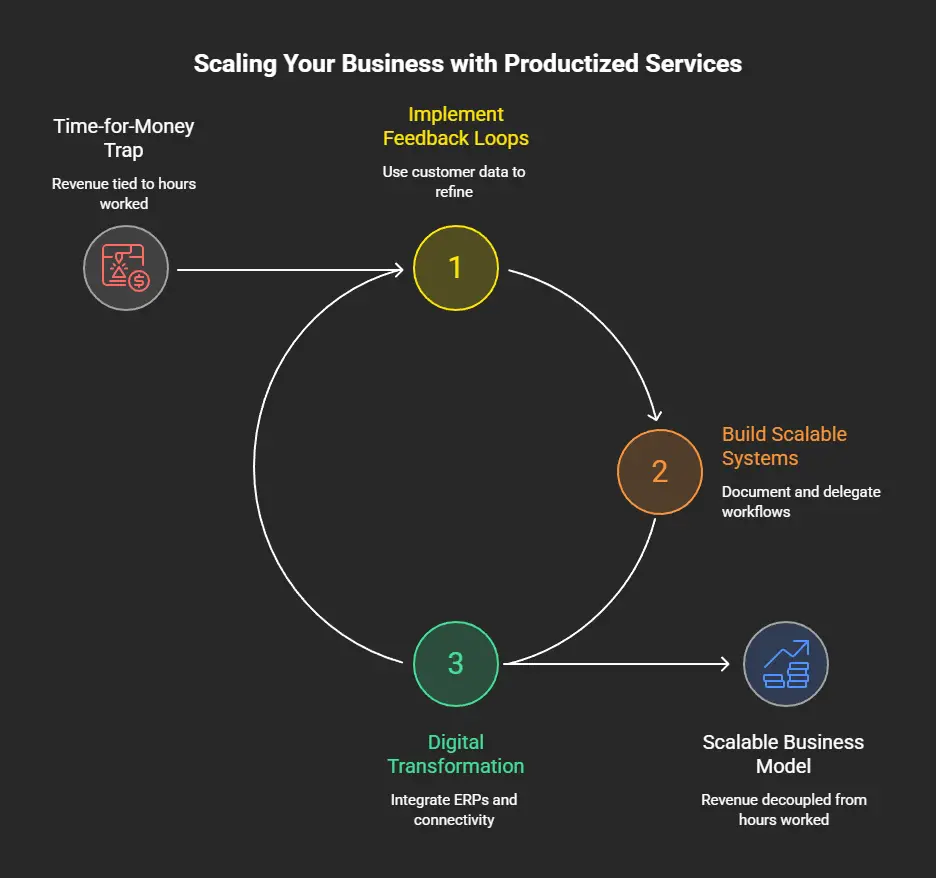
Many founders start by trading time for money.
To scale, you must transition to a productized service—where your expertise is packaged into a standardized, repeatable format.
This shift is the secret to escaping the time-for-money trap, as it allows you to decouple your revenue from your hours worked.
Feedback Loops: Using Customer Data to Refine Your Product Strategy
Your customers are your best product managers.
Implement consistent feedback loops—surveys, interviews, or usage data analysis—to understand how your product is actually being used.
This data-driven approach allows you to iterate with confidence, ensuring you are building what the market actually wants.
Building Scalable Systems: Moving from Founder-Led to Process-Driven
Scaling is the process of replacing the founder’s daily manual input with scalable systems.
Document every workflow.
If a process cannot be documented and delegated, it cannot be scaled.
Your goal is to build an environment where the business functions as a machine, allowing you to focus on high-level strategy rather than daily fire-fighting.
Digital Transformation: Integrating ERPs and Connectivity Layers
As you grow, disparate software tools will hinder your progress.
You need digital transformation—an integration strategy that links your sales, manufacturing, and accounting data.
Utilizing Enterprise Resource Planning (ERP) systems ensures that your data flows seamlessly, providing a single source of truth for your operations.
The Resilience Factor: Preparing for Market Disruptions and Disaster Recovery
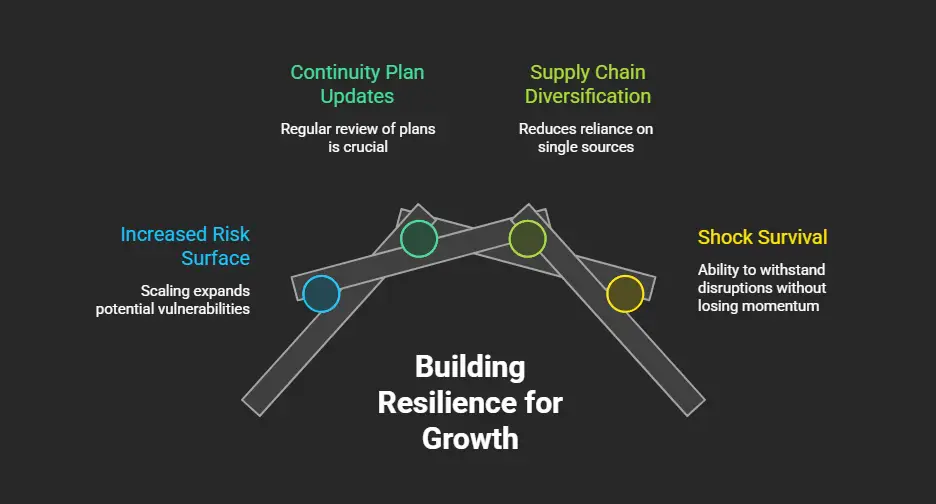
Scaling increases your surface area for risk.
Revisit your continuity plan as you expand.
Ensure that your supply chains are diversified, particularly in manufacturing or retail contexts, to prevent total reliance on a single vendor or business location.
True scale requires the ability to survive shocks without losing momentum.
Cultivating an AI Maturity Model: Automating the Mundane to Focus on Strategy
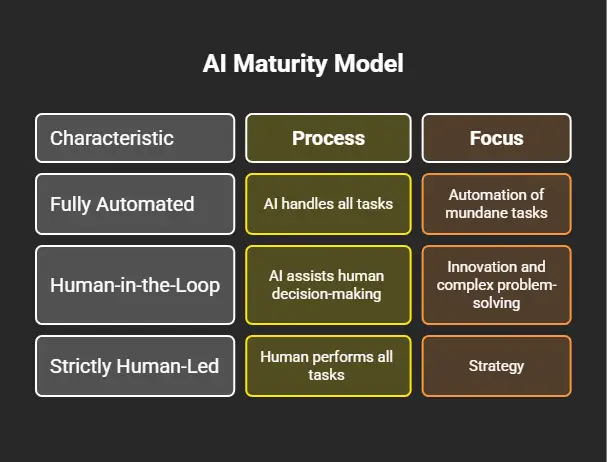
Adopt an AI maturity model within your organization.
This involves identifying which processes can be fully automated via AI, which require human-in-the-loop oversight, and which are strictly human-led.
By automating the mundane, you free up your team to focus on innovation and complex problem-solving.
Scaling the Wealth Ladder: From Recurring Revenue to Exit Readiness
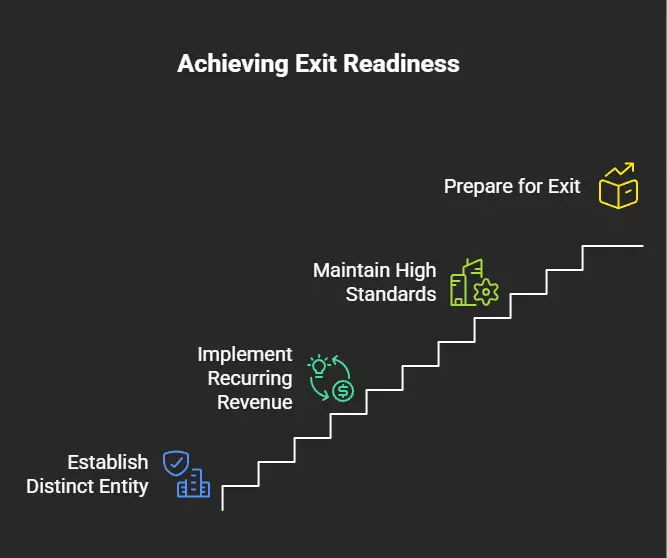
The ultimate outcome for many founders is exit readiness.
To achieve this, your business must be a distinct entity from you.
Recurring revenue models are highly prized by investors, as they demonstrate predictable growth.
Build your business with the intent that it could eventually be sold; this discipline ensures high operational standards.
The “Dead Product” Trap: Over-Building Without Validation
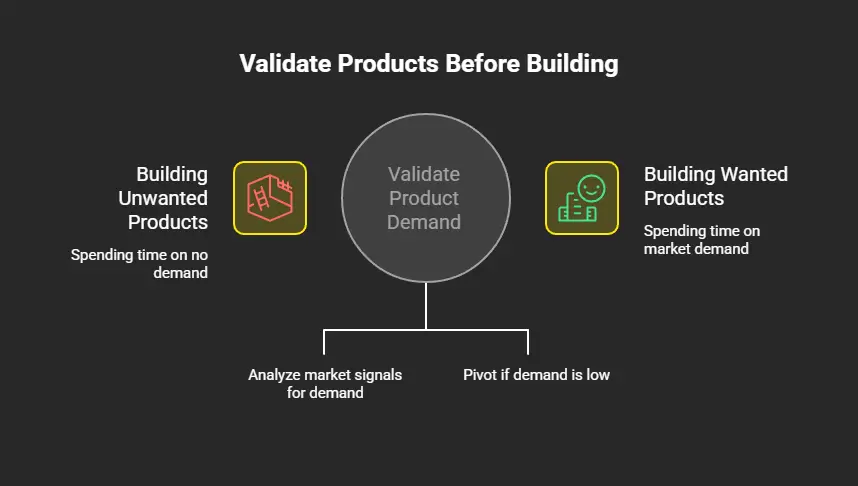
The biggest tragedy in entrepreneurship is spending months building a product that no one wants.
This happens when founders skip the validation phase.
Always remember: data beats intuition.
If the market is not showing demand, stop building and pivot immediately.
Ignoring Logistics: The Hidden Cost of Poor Integration Strategy
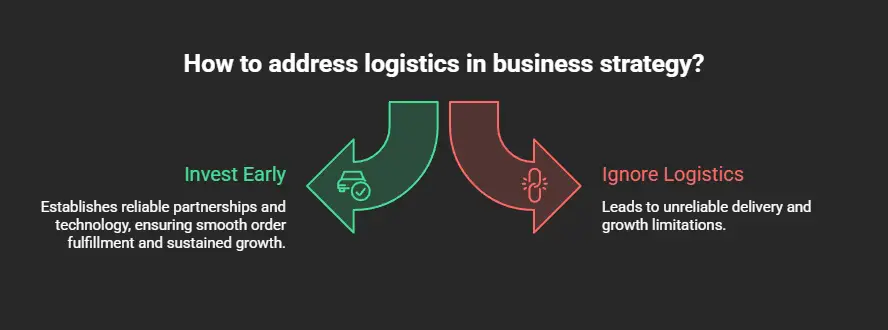
Founders often underestimate the complexity of logistics.
A brilliant product will fail if it cannot be delivered reliably.
Invest early in reliable logistics partnerships and technology, or your growth will hit a ceiling defined by your inability to fulfill orders.
Founder Burnout: Managing the Emotional Toll of Business Architecture
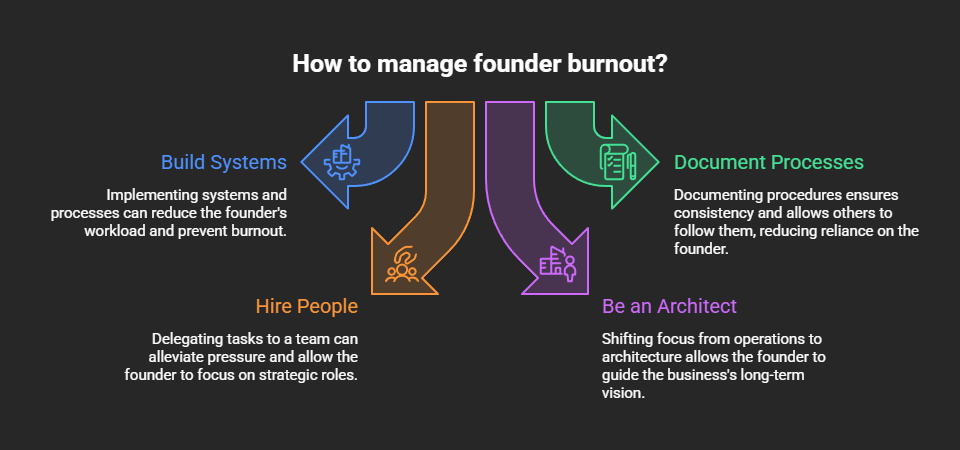
Building a business is an emotional marathon.
Burnout often stems from the inability to let go of control.
By building systems, documenting processes, and hiring the right people, you alleviate the pressure on yourself.
Understand that your primary job is to be an architect, not an operator.
Conclusion
Building a business from scratch is the ultimate exercise in structural design.
By moving beyond a generic Business Plan and treating your venture as an evolving, resilient Operating System, you position yourself for long-term success.
We have navigated the journey from validation and market intelligence to the rigorous demands of scaling operations and AI integration.
The transition from a small-scale mindset to a robust entity is defined by your commitment to process, data-driven decision-making, and structural resilience.
Do not fear the pivot; embrace it as a core component of your growth strategy.
Your next step is to document your first standard operating procedure and begin mapping your value stream today.
