
The era of the “get-rich-quick” side hustle is officially over. If you are still treating your income streams like disposable weekend projects, you are setting yourself up for failure.
In today’s rapidly evolving digital landscape, low-barrier, high-effort gigs are fading fast. True financial independence isn’t magic; it is engineering.
To succeed today, you need to stop grinding and start architecting. This requires a fundamental paradigm shift. In the gig economy, trading time for money leads to inevitable burnout, especially as AI continues to automate entry-level tasks.
The modern market rewards those who build digital assets, proprietary, modular systems that generate compounding value without requiring more of your personal time.
It is time to stop looking at your business as a list of tasks and start viewing it as a machine.
The Reality of the Build Phase
Before we dive into the blueprints, we need to address a hard truth: the word “passive” is a complete misnomer for the first six to twelve months of this journey.
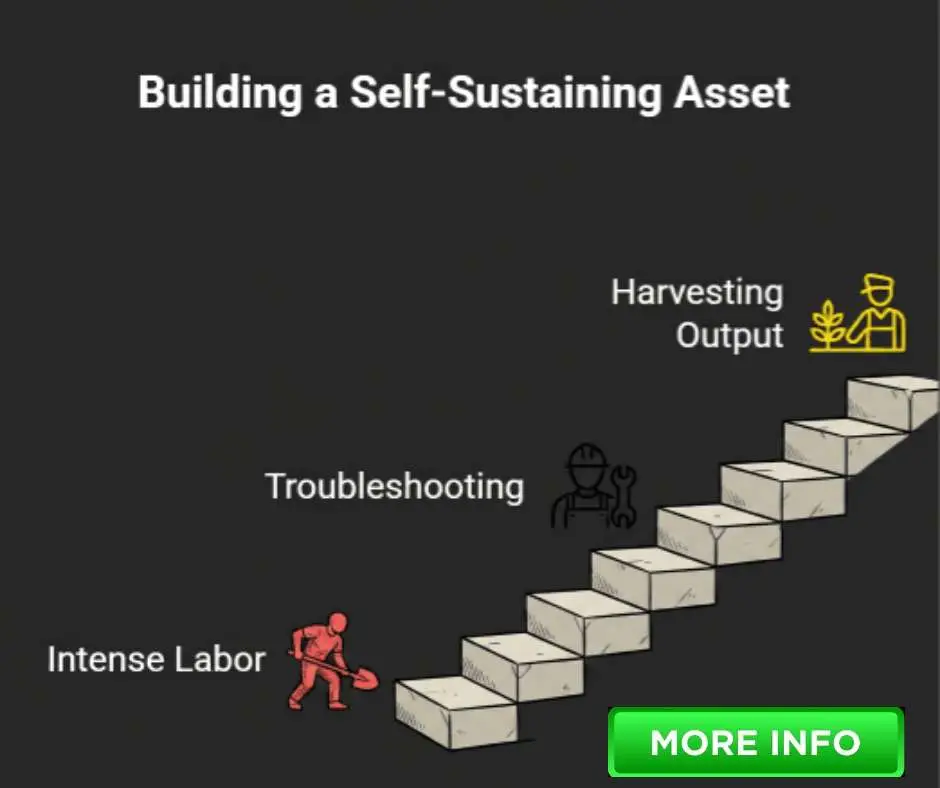
Building a self-sustaining asset requires an intense, grueling period of front-loaded active labor. You must endure this phase without the hit of immediate gratification.
However, the payoff is worth it. You build the machine once, you troubleshoot it, and only then do you get to harvest the output repeatedly.
To help you navigate this transition from gig worker to digital architect, we have developed a master schematic consisting of six critical phases.
Phase 1: Validate Before You Build
The single biggest mistake beginners make is building a product that nobody actually wants. Profit is simply your reward for solving a burning need within a specific niche. In an AI-saturated world, basic research isn’t enough. You must dive deep into profitable problems.
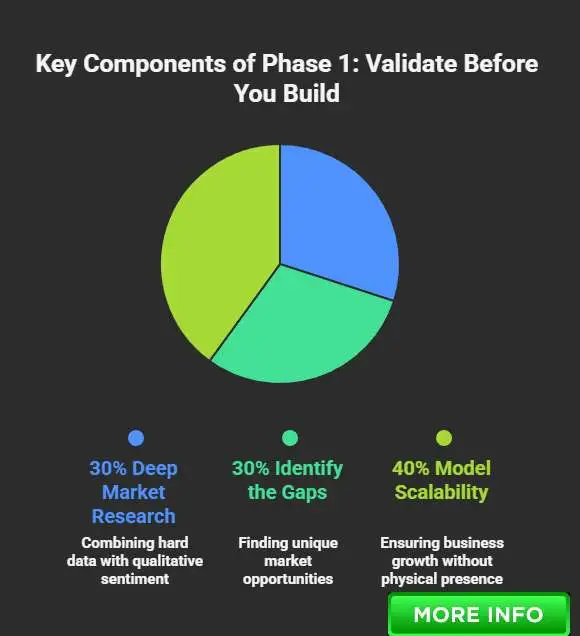
- Deep Market Research: Combine hard data with qualitative sentiment. Read competitor reviews to find out what people are actively complaining about.
- Identify the Gaps: Don’t just sell what everyone else is selling. If the market is flooded with generic digital planners, create a hyper-tactical planner specifically for traveling nurses.
- Model Scalability: This is non-negotiable. If your business requires your physical presence for every transaction, you haven’t built an asset; you’ve just created another job for yourself.
Phase 2: Choose Your Engine

Your “engine” is the core mechanism that generates high-margin revenue. You don’t need fifty different streams; you need one powerful engine to start. Consider these primary options:
- The Creator Economy: Monetize your direct expertise on platforms like Teachable or Gumroad.
- Digital Products: Use tools like Canva to turn creative tasks into a 24/7 manufacturing line on marketplaces like Etsy.
- Authority Hubs: Build trust through YouTube or podcasts to capture ad revenue and sponsorships.
- Integrated Affiliate Marketing: Recommend products that genuinely help your audience on high-trust platforms like LinkedIn. Avoid spamming links; focus on value.
- E-commerce with 3PL: Use Shopify and Third-Party Logistics (3PL). By outsourcing fulfillment, you get out of the business of moving boxes and focus 100% on growth.
Phase 3: The Legal and Tax Chassis
A high-performance engine is just expensive scrap metal if it doesn’t have a protective chassis. Many entrepreneurs ignore the boring side of business until it crashes their momentum. Specifically, the Form 1040 Schedule SE for self-employment tax is a common “villain” for beginners.
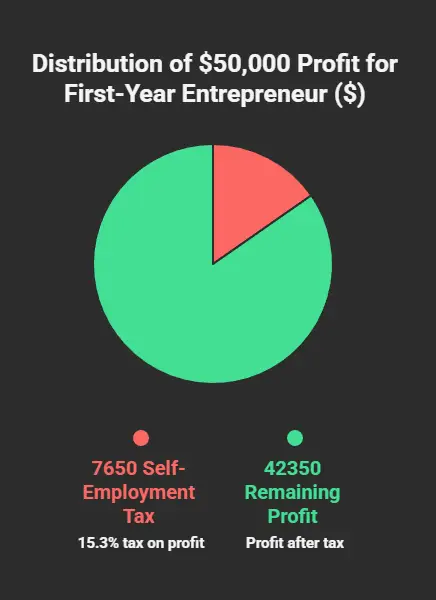
Consider the entrepreneur who hits $50,000 in profit their first year but treats it like a hobby. When tax season arrives, a 15.3% self-employment tax bill can instantly wipe out their cash flow. To avoid this, you must master your tax code early. As your business matures, work with a CPA to utilize advanced strategies like Section 179 deductions for equipment or managing net operating losses to offset profits during growth phases.
Note: Never skip liability insurance. Even digital businesses face risks like data breaches or copyright disputes. A single incident should not destroy the asset you’ve worked so hard to build.
Phase 4: Protecting the Machine
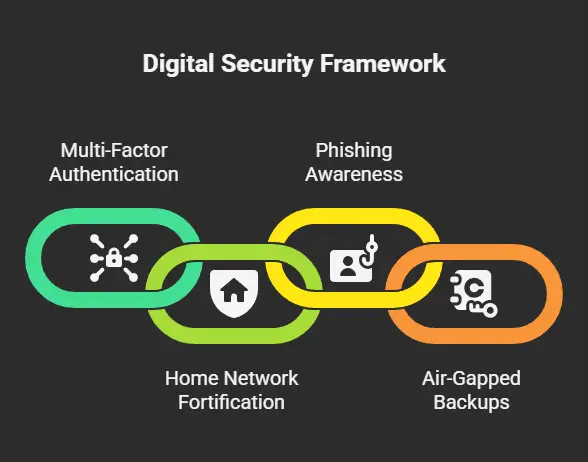
According to the FBI’s Internet Crime Complaint Center, account takeovers are the primary threat to digital entrepreneurs today. Your business is only as secure as its weakest link. To protect your machine, you must implement rigorous cybersecurity measures:
- Multi-Factor Authentication (MFA): This is non-negotiable for every account, from your domain registrar to your payment processor.
- Home Network Fortification: Use a dedicated business VPN and robust hardware firewalls.
- Phishing Awareness: Train yourself to spot social engineering. Once you become profitable, you become a target.
- Air-Gapped Backups: Maintain offline backups of your digital assets. If a ransomware attack hits, an air-gapped backup ensures your business survives.
Phase 5: The Audience Fuel
You have the engine and the chassis; now you need fuel. However, you must understand the difference between rented and owned audiences. Platforms like TikTok, Instagram, and even YouTube are rented land. If the algorithm changes tomorrow, your visibility can vanish.
The goal of your marketing funnel should be to drive discovery from social media into your owned email list. An email list is actual property. Once users are in your ecosystem, you can transition them into “Superfans”, customers who buy every single product you release. This is achieved through radical transparency, high-touch support, and active interaction rather than just “broadcasting” at people.
Phase 6: Autopilot and Maintenance
Once your foundation is secure and your audience is flowing, it is time to flip the switch to automation. This is where the magic of scalable systems happens:
- Automate Customer Service: Use AI chatbots to handle repetitive questions.
- Streamline Funnels: Make the customer journey frictionless.
- Data Pruning: Rigorously check analytics to remove low-performing products that drag down your margins.
- Strategic Reviews: Schedule periodic reviews to ensure the machine is still running efficiently.
By institutionalizing these processes, your initial “grueling labor” transforms into a repeatable, highly scalable asset that generates true hands-off revenue.
Key Takeaways for Digital Architects
- Stop Trading Time for Money: Shift from a gig-worker mindset to a systems-architect mindset.
- Front-Load the Work: Expect 6-12 months of hard labor before the “passive” income kicks in.
- Own Your Audience: Use social media for discovery, but always funnel users toward an owned email list.
- Security is Priority: Protect your assets with MFA, VPNs, and air-gapped backups.
- Ignore Perfection: Aim for a Minimum Viable Product (MVP) that functions and scales rather than waiting for a perfect plan.
Conclusion
The transition from a side hustle to a legitimate digital enterprise is difficult, but it is the only viable path to genuine financial independence. Stop acting like a gig worker waiting for the next task. You now have the blueprint to architect your freedom. The ultimate question is: What piece of your machine are you going to build today? Don’t get trapped in the planning phase forever. Build your system, lock it down with the proper safeguards, and get it into the market. It’s time to get to work.
